MARMA SUTRA
Marma Sutra is your gateway to the most ancient Indian wisdom—designed to help you unlock your full potential in body, mind, and soul. For the first time in 4,000 years, this sacred knowledge is being made accessible to all seekers.
History Of MARMA
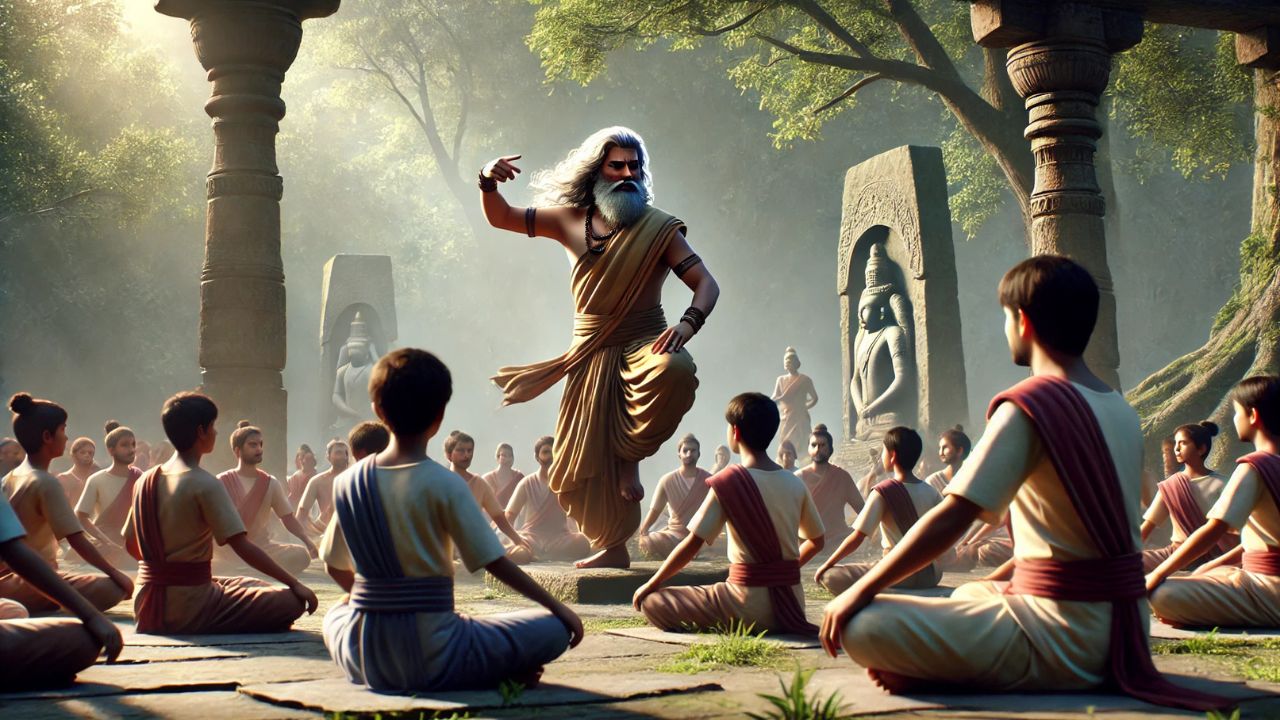
MARMA is one of the most ancient martial art forms, believed to have originated in India over 4,000 years ago. According to tradition, this sacred knowledge was first revealed by Lord Shiva to his divine consort, Goddess Parvati. She, in turn, passed it on to their son, Lord Muruga, who then imparted it to Sage Agastya—one of the revered Sapta Rishis.
Marma is a unique blend of self-defense and healing techniques. It is an art form that can be learned with relative ease and used effectively for self-protection without requiring intense physical exertion. At its higher stages, Marma becomes a path to profound spiritual insight, ultimately guiding the practitioner toward self-realization or Samadhi.
Why The Name "MARMA SUTRA"?
Marma Sutra is the name of the ancient scripture from which the foundational knowledge of Marma is derived. This sacred text guides the seeker through the two principal aspects of Marma: the healing dimension and the martial discipline known as Adi Murai.
A true Marma expert is one who has mastered both — the ability to heal and the ability to defend — and should possess the profound skill to either strike or heal any human being with precision and purpose.
Evolution OF MARMA
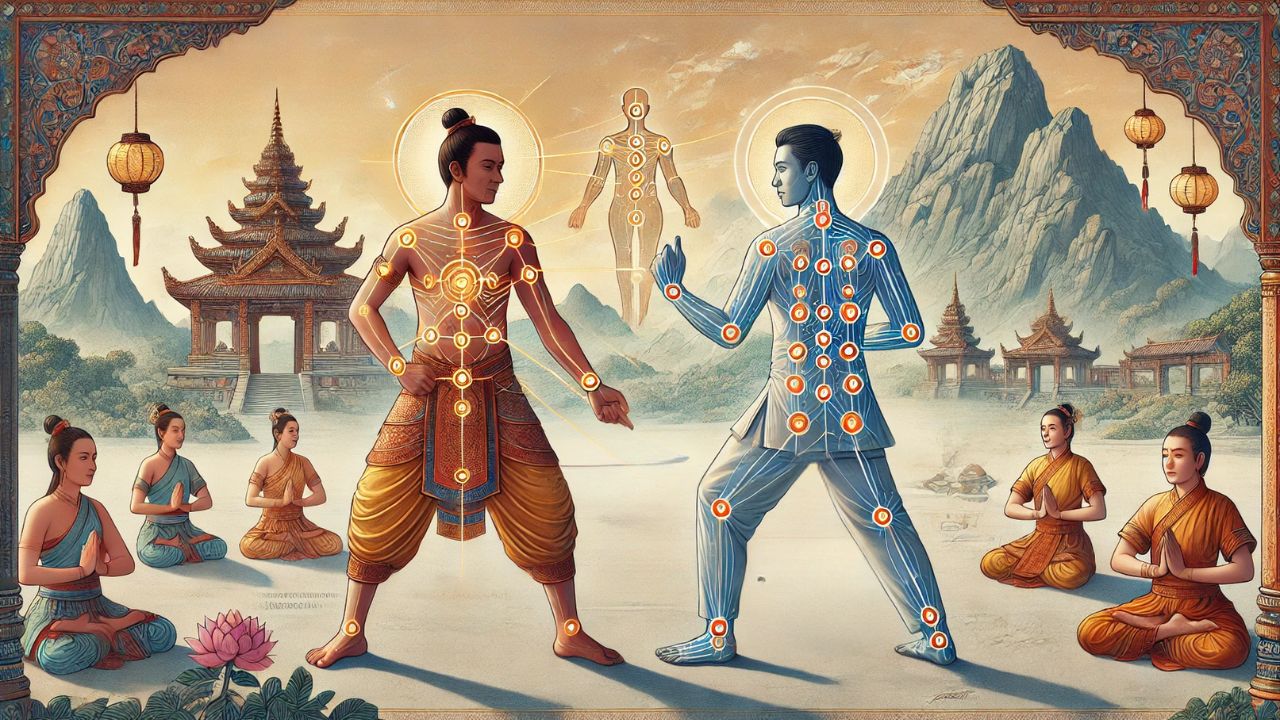
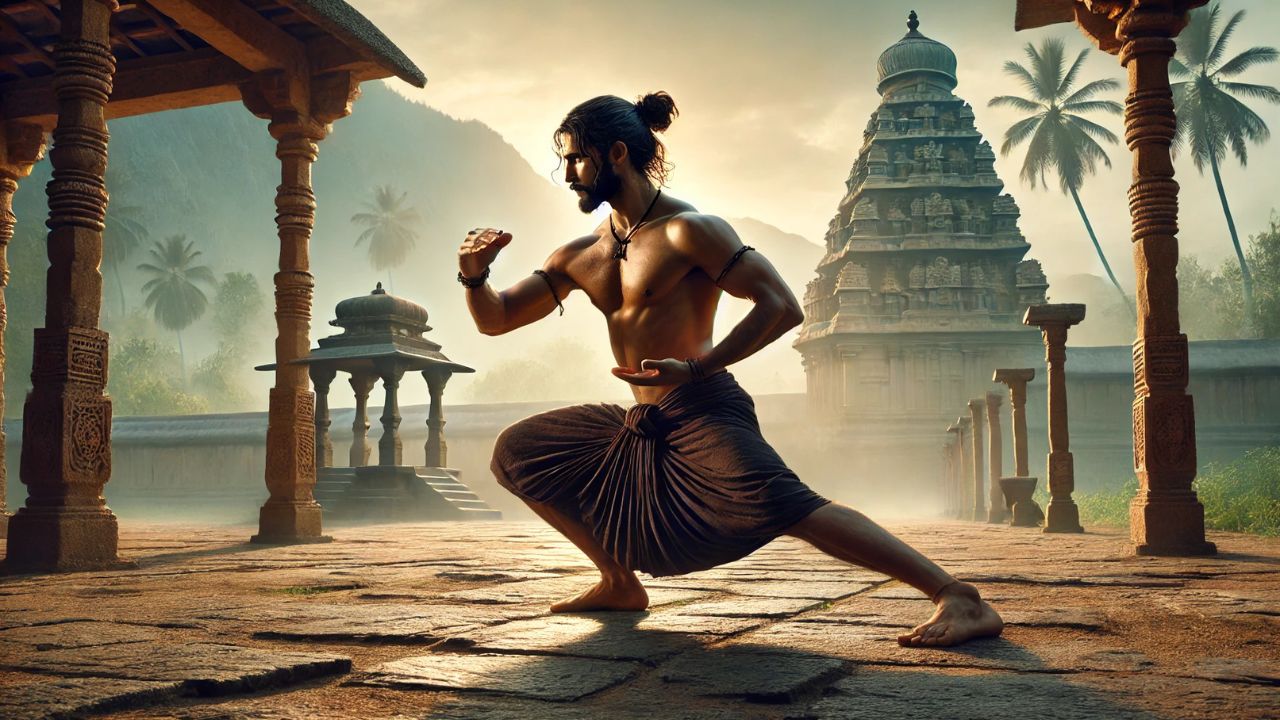
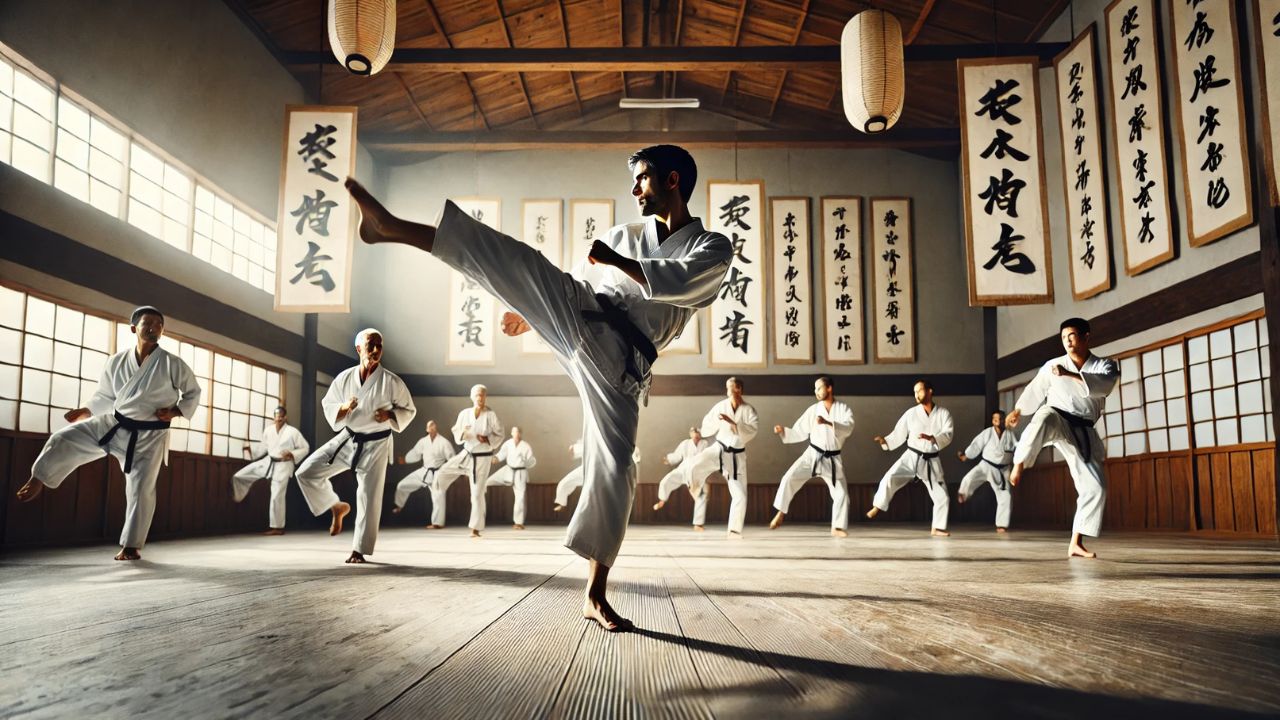
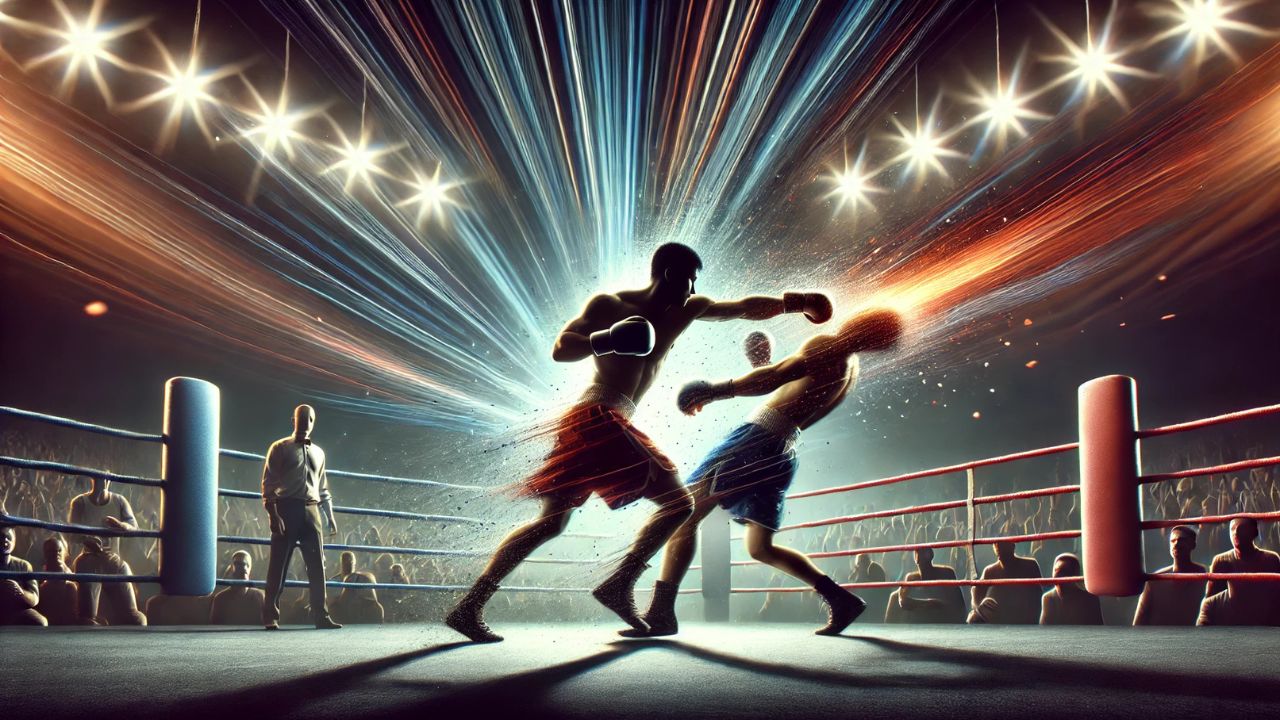
Marma Vidya is considered the mother of all martial arts. For example, Karate, a well-known martial art practiced in Japan—particularly in the Okinawa region—shares deep connections with Marma traditions. The term Karate literally means “empty hand,” which closely parallels the concept of Verum Kai Prayogam in Marma Vidya, meaning “application of the bare hand.”
In Okinawan Karate, practitioners target 36 vital points, also known as the Bubishi points, a concept that aligns with the Marma points in Indian tradition. The science and technique of pressure-point fighting—widely practiced in East Asian martial arts—can be traced back to Marma Vidya.
Many hand gestures or striking techniques in Karate, such as Shuto (knife hand), Seiken (forefist), Ippon Ken (one-knuckle fist), and Nukite (spear hand), bear striking resemblance to Marma’s Hasta Mudras such as Mushti Mudra, Adhohasta, and Yaanai Mudra. These are not merely symbolic gestures but are specifically used to strike and stimulate vital points in the body.
Other martial arts systems too have roots in Marma Vidya. For instance, the technique called Kuthu Varisai (meaning “series of punches”)—a component of Tamil martial tradition—eventually influenced the evolution of modern boxing. The famous liver punch in boxing, which can incapacitate an opponent, is a direct application of a Marma strike to a vital organ, considered a knockout blow in both systems.
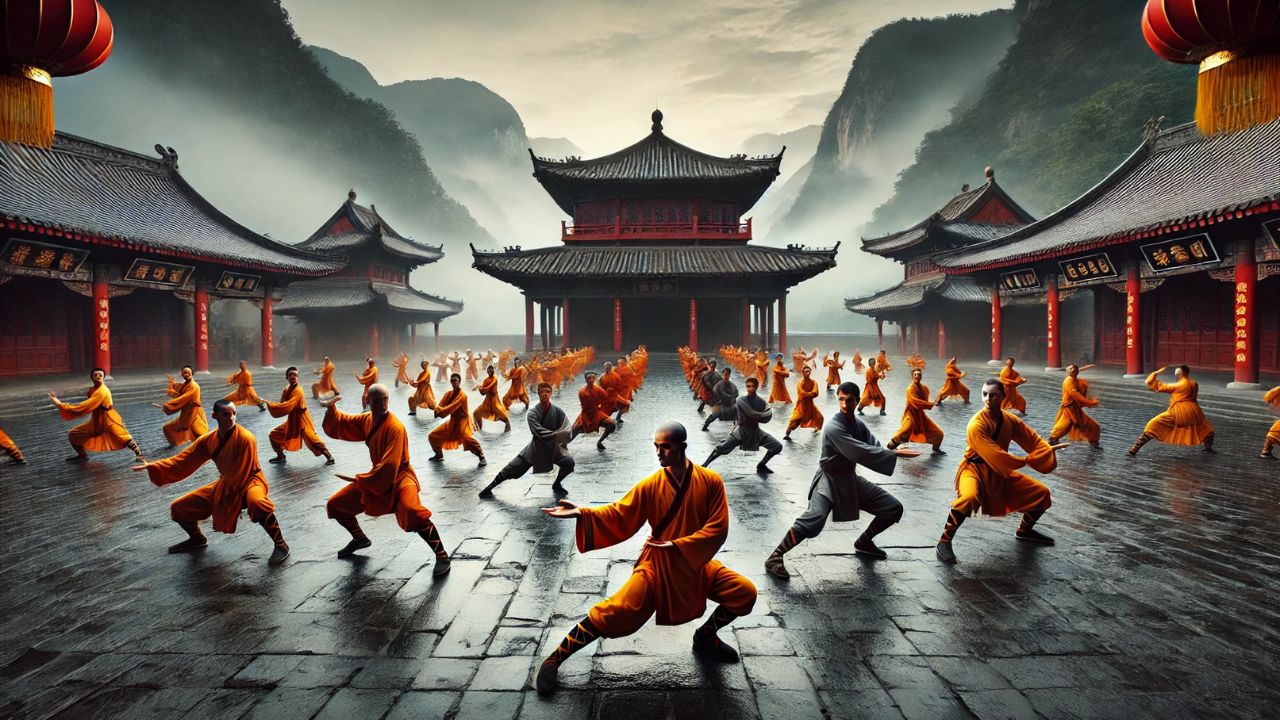
The legendary Shaolin Kung Fu of China is also deeply connected to Marma Vidya. According to historical accounts, Bodhidharma, a Pallava prince, a master of Kalari Payattu, and a profound yogi, traveled from India to China in the 5th or 6th century BC. He taught the Shaolin monks a system based on 18 Adavus (fundamental movements), which later evolved into 18 Luohan Quan (“18 Hands of the Buddha”). These formed the basis of Shaolin martial arts.
Over time, these practices, combined with meditation, gave rise to Karate and Zen meditation. The essence of these martial systems is striking the energy meridians of the human body, which follow the principles of Yin and Yang—paralleling the Shiva-Shakti dynamic in Indian Marma tradition.
Texts such as the Bubishi in East Asia and references from Agastya Samhita, Sushruta Samhita, and Marma Sutras in India provide strong textual grounding for the shared knowledge of anatomy, energy flow, and martial application.
MARMA ADI MURAI
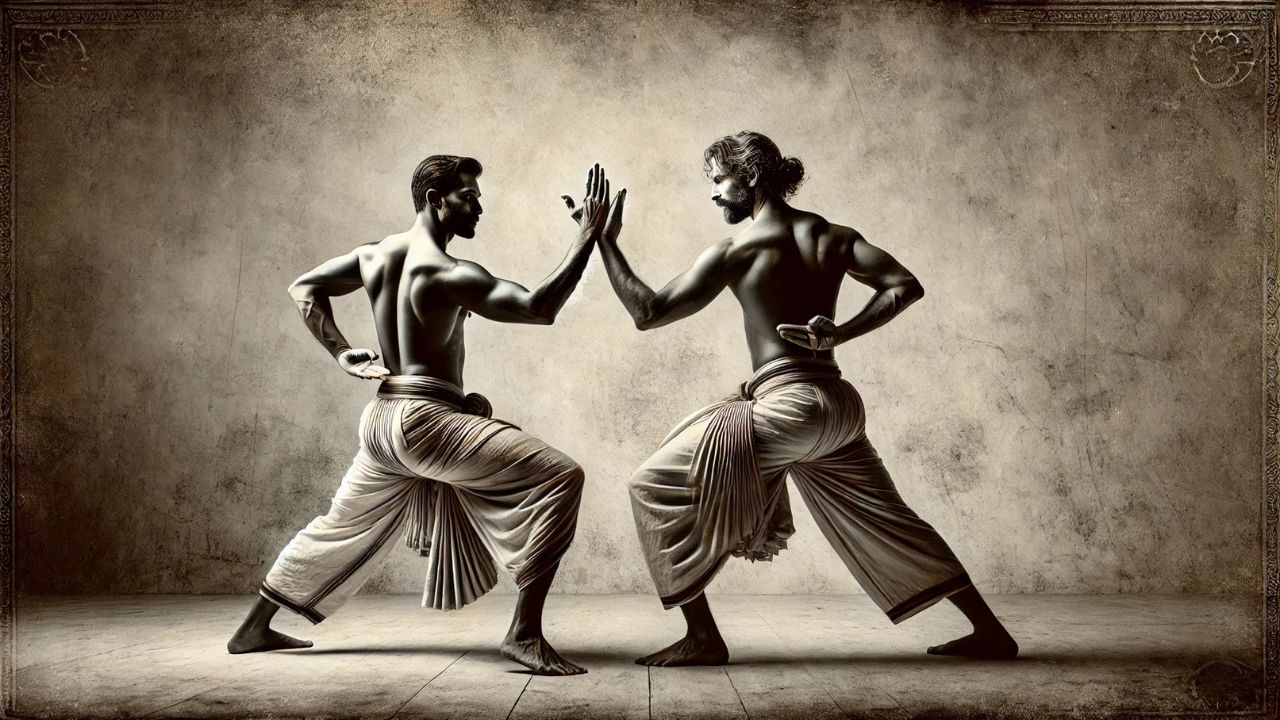
The word Marma refers to the vital energy centers within the human body. There are 108 such points where the body’s life force, known as Prana, is concentrated. Adi Murai is the martial art of striking these Marma points in a precise and controlled manner to subdue an opponent.
Depending on the technique, intensity, and location of the strike, one can render an opponent unconscious, cause temporary paralysis, or even inflict fatal damage. When learned under the guidance of a knowledgeable teacher, this art equips the practitioner with exceptional self-defense skills, enabling them to protect themselves effectively—even against multiple attackers.
Can Mastering The MARMA Make You A Super Human?
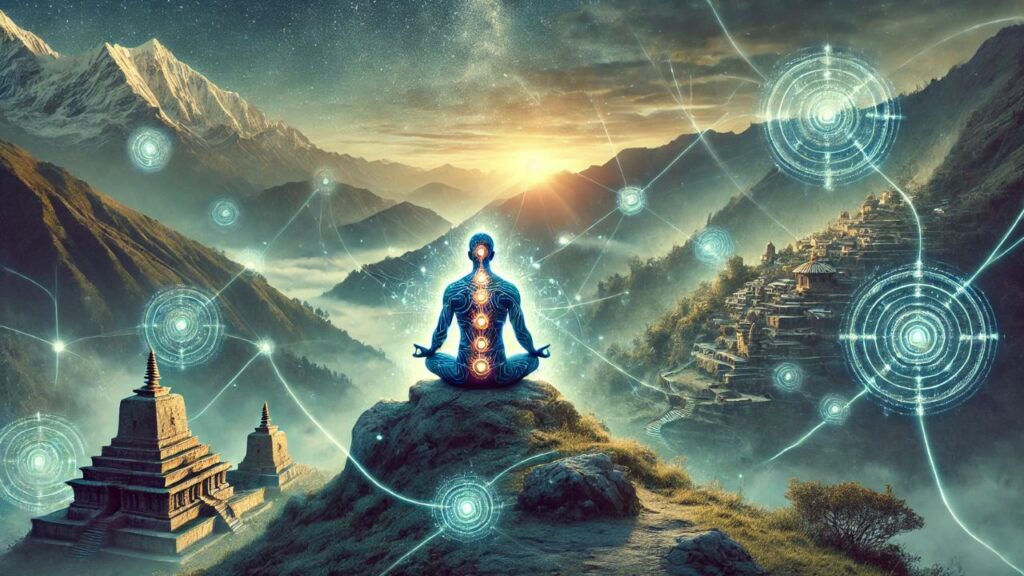
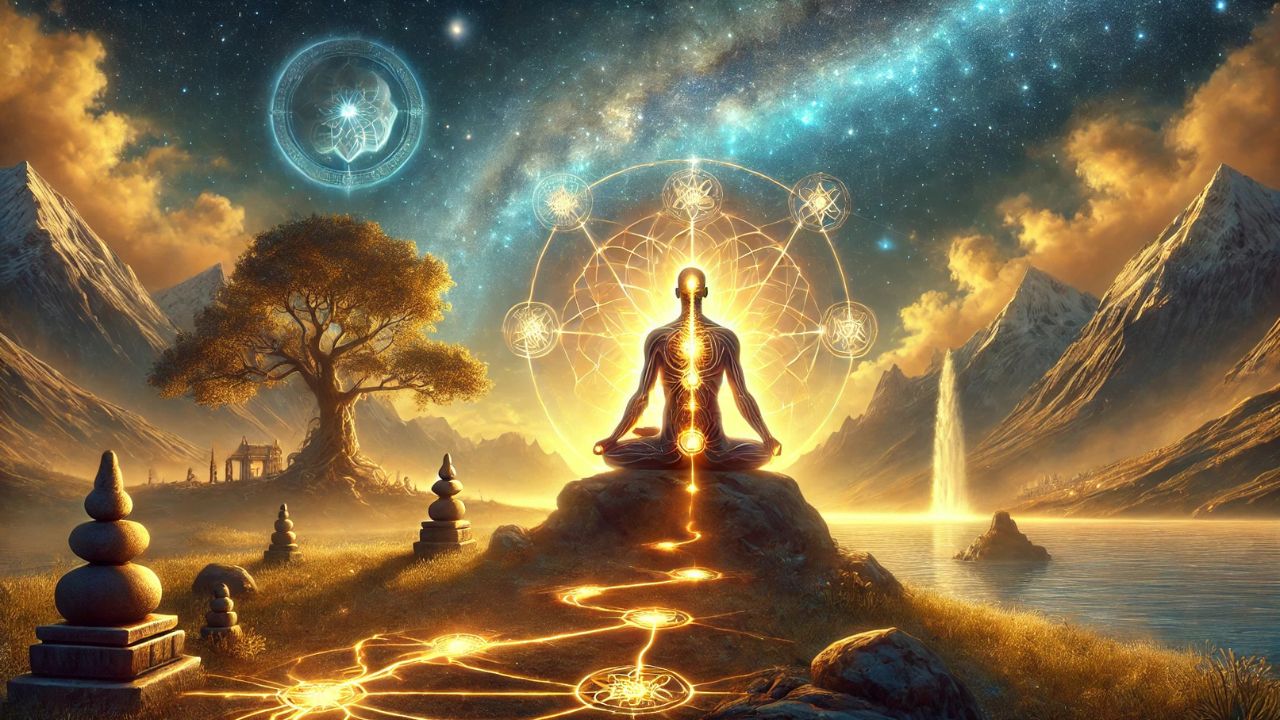
Marma Vidya is far more than just a martial art—it is a profound spiritual practice known as Shiva Yoga, a path toward self-realization. At its core, this tradition offers techniques to awaken the pineal gland, which is closely associated with spiritual awakening and higher states of consciousness.
Shiva Yoga involves the activation of the chakras, beginning with the Muladhara Chakra and ascending to the Sahasrara Chakra, through the energy pathways of the Ida, Pingala, and sushamana Nadis. These are channelled through the network of 72,000 nadis (nerves /energy pathways) within the human body.
When the Kundalini energy (dormant spiritual energy) rises and reaches the pineal gland, it is known as the opening of the third eye. This awakening unlocks a range of spiritual and psychic abilities, transforming the practitioner into a Siddha or a Yogi, one who has realized higher truths and mastery over body, mind, and soul.